D2C vs Marketplaces: What Is More Profitable for Business?
Sooner or later, every manufacturer moving online faces a choice: sell directly through its own website (the D2C, direct-to-consumer, model) or list on marketplaces such as Amazon, Allegro, Rozetka or Prom. Both paths have their own economics, and the right answer depends on the product, the budget and the brand's stage of development.

What D2C Is and How Marketplaces Work
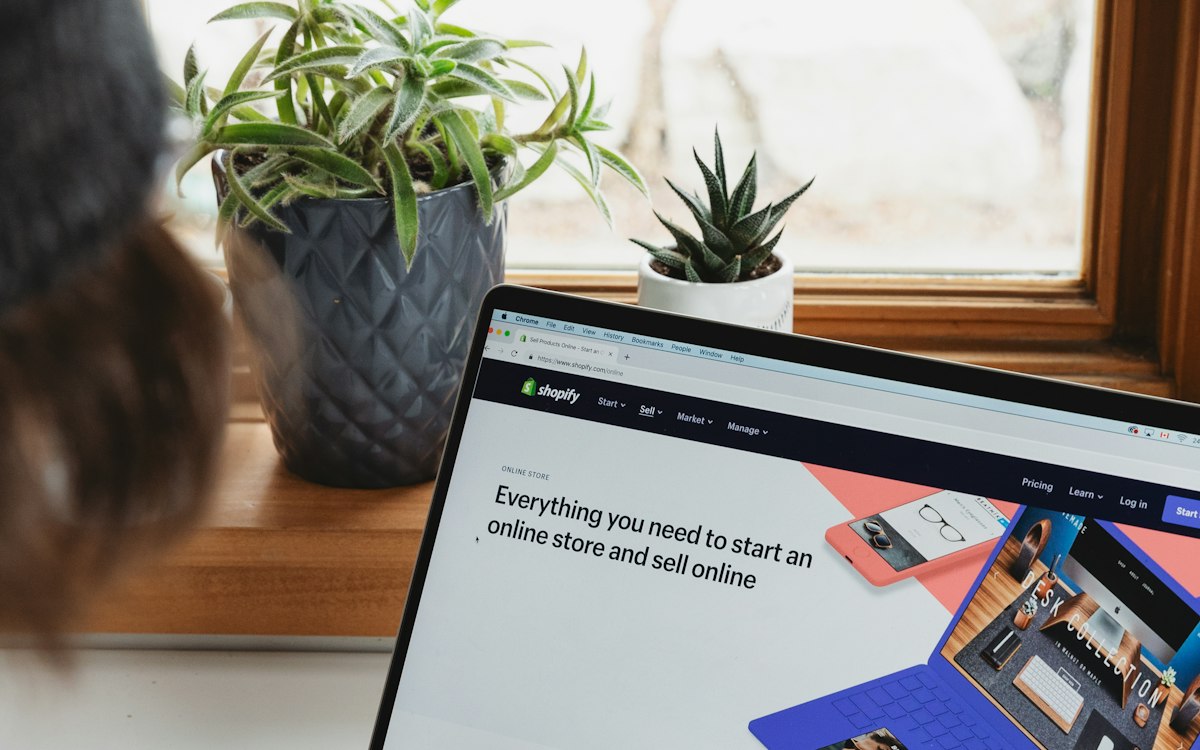
D2C is a model in which the brand sells to the end customer itself: its own online store, its own logistics or a fulfilment partner, its own marketing. The company controls the price, product presentation, customer service and – most importantly – customer data.
A marketplace is a ready-made platform with an audience of millions. The seller gets traffic, payment infrastructure and often logistics, but pays a commission (from a few to twenty or more percent depending on the category) and plays by the platform's rules.
Advantages of Marketplaces
- Fast launch: a product listing can go live within days, with no website development.
- Customer trust: people find it easier to buy from a familiar service with a return guarantee.
- Logistics and payments: warehousing, delivery and instalment payments are already set up.
- Demand testing: you can quickly check whether a new product sells without investing in website advertising.
Weak Points of Marketplaces
Commissions, fees for internal advertising and fierce price competition with the neighbouring listing eat into margins. The customer belongs to the marketplace, not the brand: sellers often do not receive buyer contacts and cannot build repeat sales. A change to the search algorithm or platform rules can crash sales overnight, and dependence on a single channel becomes a business risk.
The Economics of D2C
D2C margins are higher because there is no intermediary, but customer acquisition costs (CAC) fall entirely on the brand. Advertising on social networks and search engines gets more expensive every year, so D2C pays off when customer lifetime value (LTV) is high: repeat purchases, subscriptions, consumables and accessories.
The rule of thumb is simple: if LTV exceeds CAC at least threefold, your own channel becomes very profitable. If a product is bought once every few years, it is more efficient to use the marketplace's ready-made traffic.

The Hybrid Model: the Choice of Most Brands
The most successful brands do not choose "either-or". The marketplace becomes a shop window and a source of new customers, while the brand's own website is the place for a loyal audience, exclusive collections, a loyalty programme and data collection. It is important to keep a single pricing policy so that channels do not compete with each other, and to gradually move buyers into your own ecosystem: newsletters, messengers, a club for regular customers.
How to Make the Decision
- Calculate unit economics for each channel, including all commissions, logistics and returns.
- Assess the frequency of repeat purchases and the average order value.
- Check your brand strength: do people search for you by name?
- Start with a marketplace to validate demand and develop D2C in parallel.
Conclusion
A marketplace is more profitable at the start and for impulse-buy products; D2C works best for brands with a strong identity and regular repeat purchases. Long-term business value is created by your own customer base, so even active marketplace sellers should invest in a channel of their own.