The Growth of Niche Online Stores and Private Label
Large universal marketplaces sell everything, yet it is niche online stores that increasingly win customer loyalty. At the same time, private label – retailers' own brands that let them control quality, price and margins – is growing in popularity. Let's look at why these two trends reinforce each other.
Why Niche Beats Universal
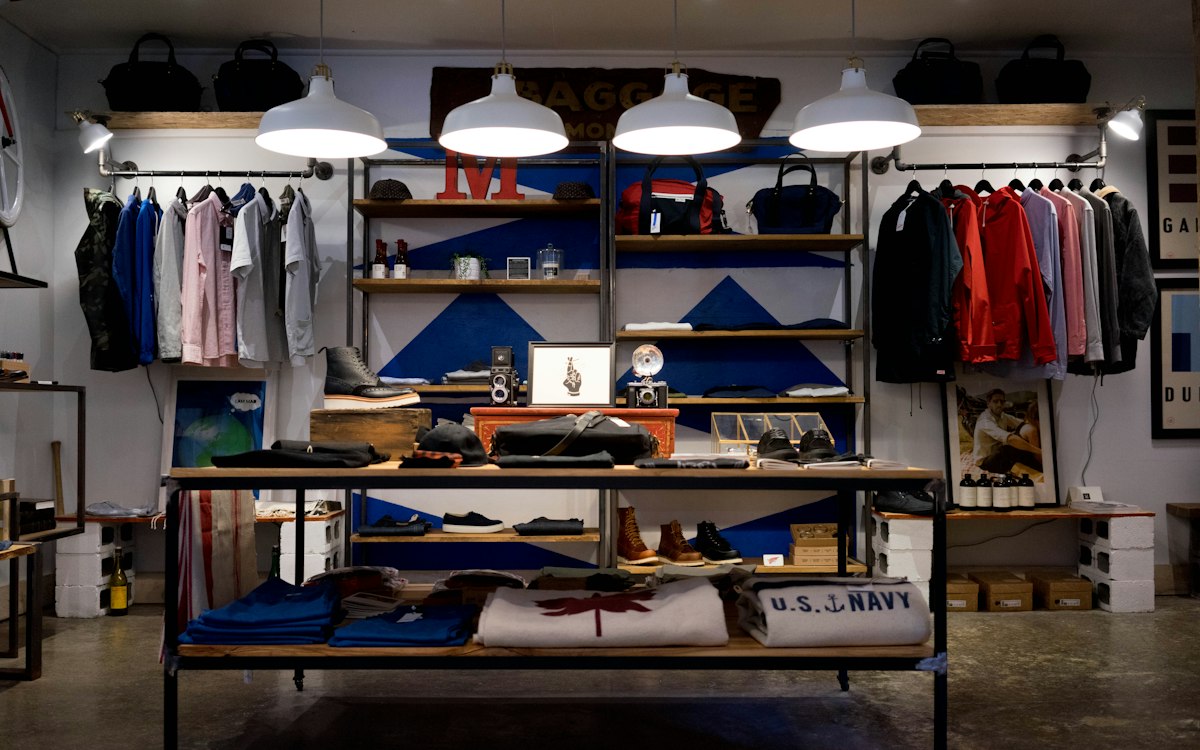
A niche store focuses on a specific audience: gear for baristas, climbing equipment, natural cosmetics, food for exotic pets, outdoor clothing. Deep expertise, a carefully curated range and a community around the brand build trust that giants struggle to compete with. Customers come not only for a product but also for advice.
Customer acquisition is also cheaper in a niche: precise targeting, content marketing and word of mouth within the community work better than mass advertising.
What Private Label Is
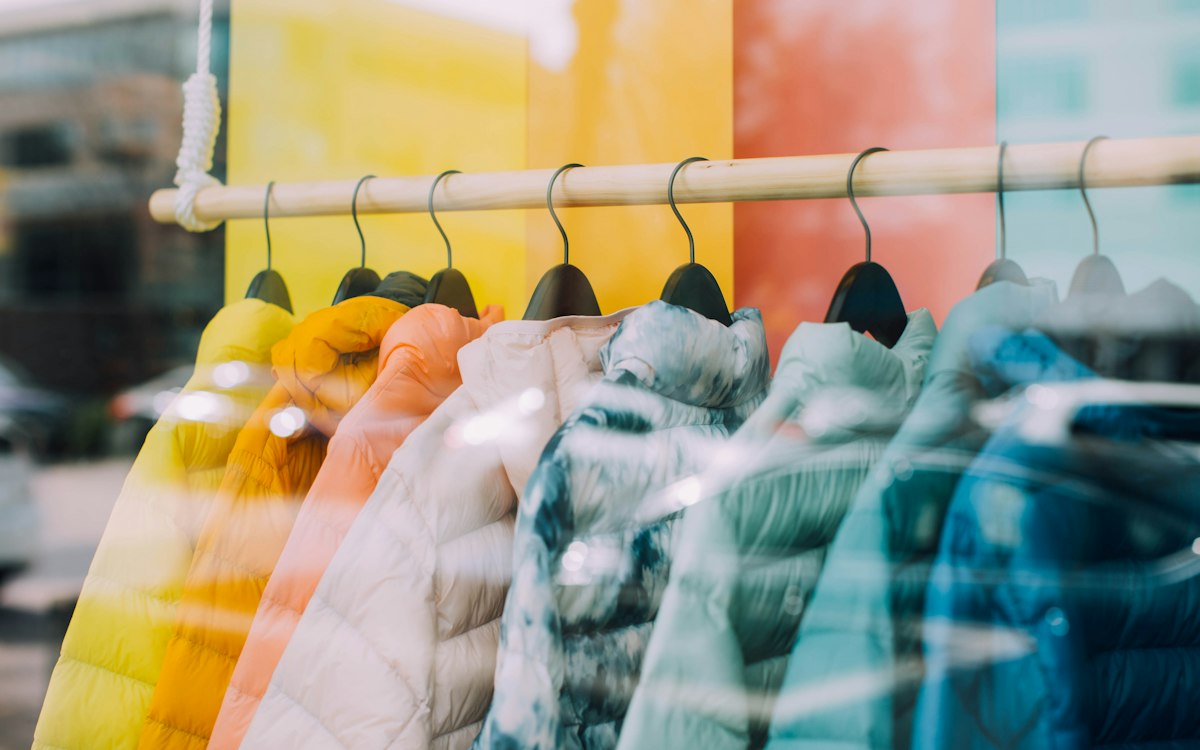
Private label (an own brand) is a product made by a third-party manufacturer and sold by a retailer under its own brand. The model has long been familiar from supermarkets and is now moving actively into e-commerce: from clothing and accessories to cosmetics, sports nutrition and homeware.
Benefits of an Own Brand
- Higher margins: there is no third-party brand mark-up, so profit per unit grows.
- Uniqueness: the product cannot be price-compared on aggregators because competitors do not have it.
- Quality control: the retailer defines the composition, materials and production standards.
- Brand value: the own brand becomes an asset that increases the value of the business.
How to Launch a Private Label in a Niche
- Research demand: which products sell most often and what customers complain about.
- Find a manufacturer and order a test batch; compare several offers.
- Develop branding and packaging that reflect your audience's values.
- Obtain certification and make sure you comply with legal requirements.
- Launch sales through your own store, then expand to marketplaces.
Risks
Cash tied up in inventory, manufacturers' minimum order quantities, full responsibility for quality and the need to invest in marketing are the main challenges of an own brand. A wrong product choice can be costly, so it is wise to start with small batches and proven demand.
Trends for the Coming Years
Sustainability and local production, personalisation, subscription models, and the use of data and artificial intelligence to forecast demand will shape the development of niche e-commerce. For Ukrainian entrepreneurs, this is a chance to create their own brands capable of entering the European market.
Conclusion
Combining a niche focus with an own brand is one of the most resilient strategies in modern e-commerce. It helps avoid price wars, build a loyal community and earn on uniqueness rather than discounts.